BUILDING SECTOR


In a context where the energy performance of buildings is a major issue, innovative insulation solutions play a central role in construction and renovation projects. Among these emerging materials, Fiberban™ insulation stands out for its remarkable technical and environmental properties. Made from mineral or plant fibres depending on the formulation, Fiberban™ combines high thermal efficiency, mechanical strength and durability. Suitable for vertical walls, roofs and floors, it meets growing requirements for thermal and acoustic comfort and compliance with environmental standards (RT 2020, RE 2020).
The use of Fiberban™ is therefore part of a global approach to sustainable construction, offering building professionals a high-performance alternative to traditional insulation materials such as glass wool or polystyrene. This introduction highlights the role of Fiberban™ in improving the energy efficiency of buildings, while contributing to the reduction of their ecological footprint.
Thanks to its unique characteristics: natural, fire-resistant, thermal, acoustic and made from recycled non-hazardous waste. Fiberban™ is positioned as a credible and competitive alternative to conventional insulation materials.
Conquering 2% of the global market therefore appears to be a realistic and strategic objective, enabling Fiberban™ to establish itself both as a technological innovation and a concrete response to the environmental challenges of modern building.
thumb_upLeader in mineral wool (rock wool) for thermal and acoustic insulation. They are already committed to sustainable solutions.
tips_and_updatesPropose Fiberban™ as an alternative or complement to their existing range, especially in acoustic applications or for passive construction.

thumb_upMultinational with a strong presence in many countries, using various types of insulation (glass wool, rock wool, bio-based insulation).
tips_and_updatesDemonstrate the technical performance of Fiberban™ compared to traditional insulation materials, its sustainability and production cost, and propose an R&D partnership.

thumb_upSpecialises in rigid insulation panels, building envelope systems, high-performance insulation, with ecological ambitions (reducing carbon footprint, more sustainable materials).
tips_and_updatesPresent Fiberban™ as an innovation that can be integrated into insulation panels, PST, roofs and walls, with benefits in terms of weight, cost and safety. Propose a pilot study.
Fiberban™ is a natural, multifunctional insulation material made from recycled waste, fully in line with the principles of the circular economy and sustainable development. This innovative material stands out for its fire-retardant, thermal and acoustic properties, offering a high-performance, environmentally friendly and safe solution for a wide range of applications in the construction and industrial sectors.
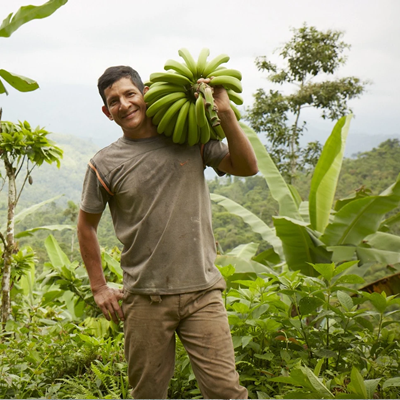 Made from recycled non-hazardous waste, Fiberban™ helps to reduce the carbon footprint while recycling previously unused materials.
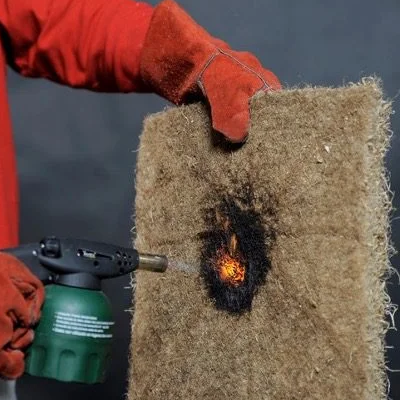 Effectively resists heat and fire, ensuring greater safety in buildings.
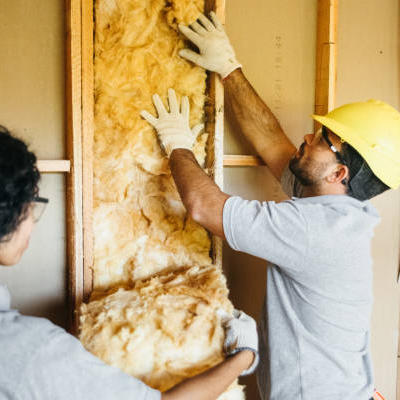 Limits energy loss by providing excellent thermal insulation in both winter and summer.
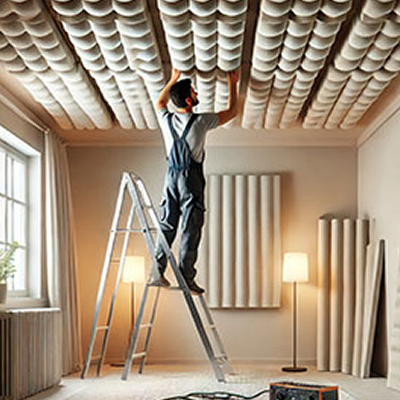 Reduces noise pollution, improving the acoustic comfort of interior spaces.
 Unlike asbestos, Fiberban™ is harmless to human health and has a long service life.
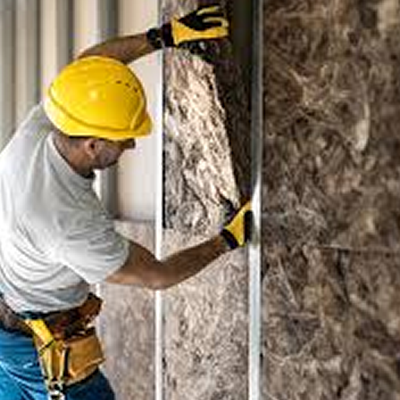 Sound and thermal insulation for all types of buildings (residential, commercial, industrial).
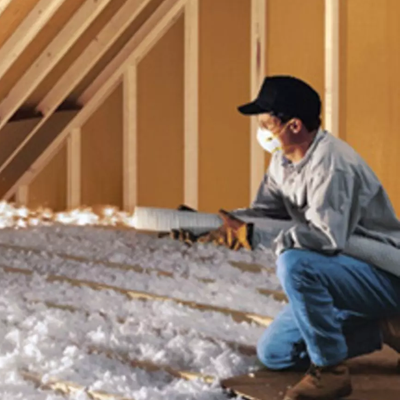 Blown insulation for attics, ensuring quick and even installation.
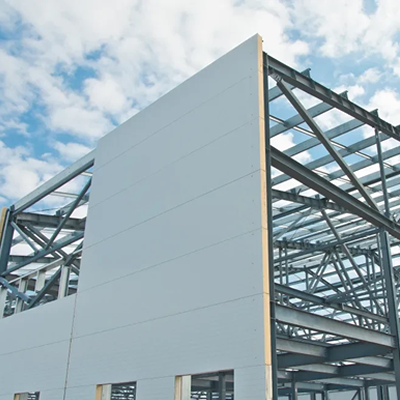 Manufacture of technical sandwich panels (TSP) for modular structures or facades.
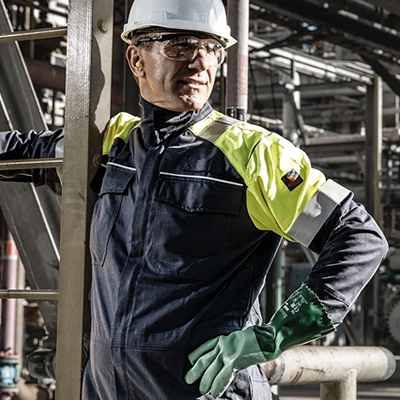 Manufacture of protective textiles and clothing for construction and industrial professionals.
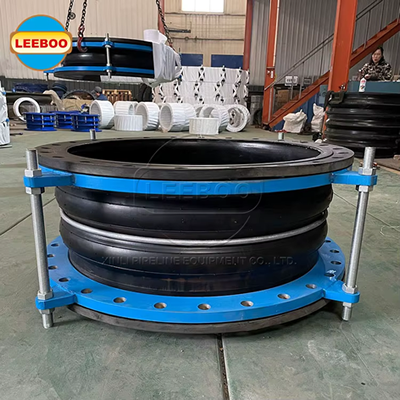 Production of joints for pipe networks (drinking water, wastewater, rainwater, etc.).
 Manufacture of fire doors made from 100% recyclable material using the Fiberban™ process derived from banana stem fibre.
 (semi-rigid Th and Th +Ac)
 For floors, terraces, external wall insulation or white formwork panels.
 For pipe insulation
 (thin aluminium-lined insulation)
 Bonded to plasterboard Th, Th+Ac, Th+Fire
 made from banana fibre cement
 between plasterboard for technical ductworkSarking, rafter boxes, suitable for all types of finishes (BA13, panelling, etc.)For plasterboard and fibre cement panelsFor road works and drain coating, geotextiles
This projection is based on the strong growth momentum in the insulation sector, driven by the energy transition, environmental regulations (such as RE 2020 in Europe) and the search for more sustainable materials.
Global, non-exclusive
Royalty of revenue generated
Initial entry fee